Water Sanitation and hygiene(wash)
In 2018, the Nigerian government declared a state of emergency in the Water, Sanitation, and Hygiene (WASH) sector. By 2019, a combination of inadequate infrastructure, insufficient human capital, poor investment, and weak regulatory frameworks left approximately 60 million Nigerians without access to basic drinking water. Around 80 million people lacked improved sanitation facilities, and a staggering 167 million couldn’t access basic handwashing services.
The situation is especially dire in rural areas, where 39% of households do not have access to basic water supply, and only half benefit from improved sanitation. Almost a third of the rural population (29%) continues to practice open defecation—a statistic that has barely shifted since 1990.
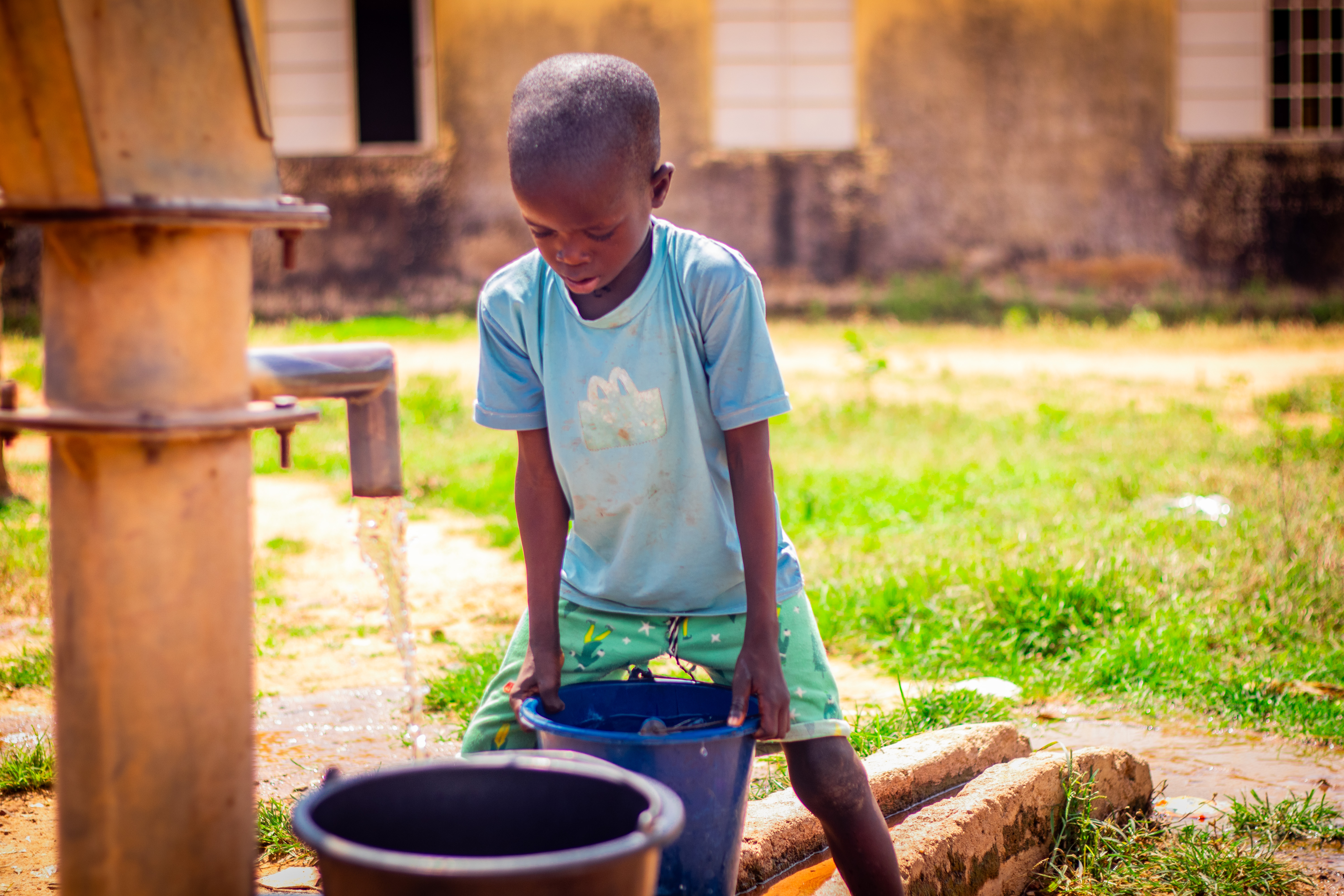
Women and girls are disproportionately affected by the lack of adequate WASH services. They are often responsible for collecting water, sometimes over long distances, which negatively impacts their health, school attendance, and heightens their vulnerability to gender-based violence (GBV). Access to WASH services can have a transformative impact on education, as it reduces the time children, especially girls, spend fetching water, minimizes waterborne diseases that keep children out of school, and contributes to a safer, healthier learning environment.
Access to clean water and sanitation is not only a basic human right but also a key to breaking the cycle of poverty and improving productivity, as highlighted by Sustainable Development Goal 6. The lack of safe water and sanitation hinders economic potential, particularly in marginalized communities, which are often excluded from essential services and infrastructure.
The World Health Organization (WHO) has long recognized the importance of potable water and sanitation as a core component of primary health care. In 1978, WHO set basic daily water requirements at 60 liters per person, emphasizing that access to safe drinking water and sanitation is a fundamental right for all. Despite these global efforts, Nigeria’s rural communities, which account for 46% of the population, continue to face severe challenges.
Addressing the water crisis in Nigeria’s rural areas is not just a matter of urgency, but a necessity for promoting health, education, gender equality, and sustainable development. Both government authorities, international and non-governmental organizations must take swift and decisive action to ensure access to clean, safe, and sustainable water and sanitation for all.